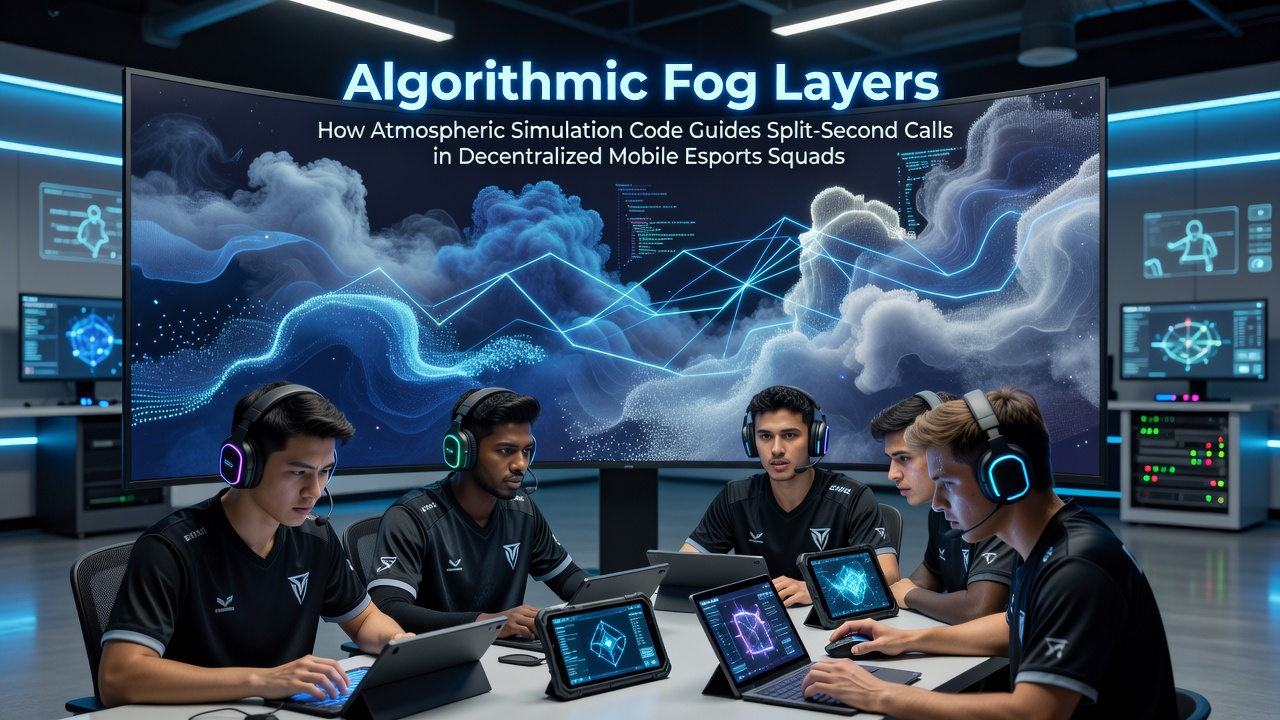
Algorithmic Fog Layers: How Atmospheric Simulation Code Guides Split-Second Calls in Decentralized Mobile Esports Squads
Atmospheric simulation code has become a core component in mobile esports environments where teams operate across distributed networks without central servers. These systems generate algorithmic fog layers that model visibility constraints and environmental variables in real time, and the resulting data streams feed directly into player decision frameworks during matches. In July 2026 several regional tournaments adopted updated simulation modules that adjust fog density based on latency metrics from individual devices, creating dynamic conditions that squads must interpret on the fly.
Core Mechanics of Algorithmic Fog Generation
Simulation engines calculate fog layers through iterative algorithms that factor in particle density, wind vectors, and occlusion rates, then transmit these values to client applications on mobile hardware. Teams receive compressed data packets that update every 40 to 60 milliseconds, allowing squad members to reference shared environmental maps without requiring constant server mediation. Research from the University of Waterloo indicates that these layers reduce effective visual range by up to 35 percent in high-density zones, forcing players to rely on positional audio cues and pre-agreed callout protocols instead of direct line-of-sight information.
Decentralized architectures distribute the computation load across participating devices, with each node contributing partial render data that other squad members integrate locally. This approach eliminates single points of failure while introducing variable synchronization offsets that the simulation code compensates for through predictive smoothing routines. Observers note that squads which pre-load fog pattern libraries achieve faster consensus on movement vectors because members already anticipate how density shifts will affect teammate visibility.
Integration with Split-Second Decision Protocols
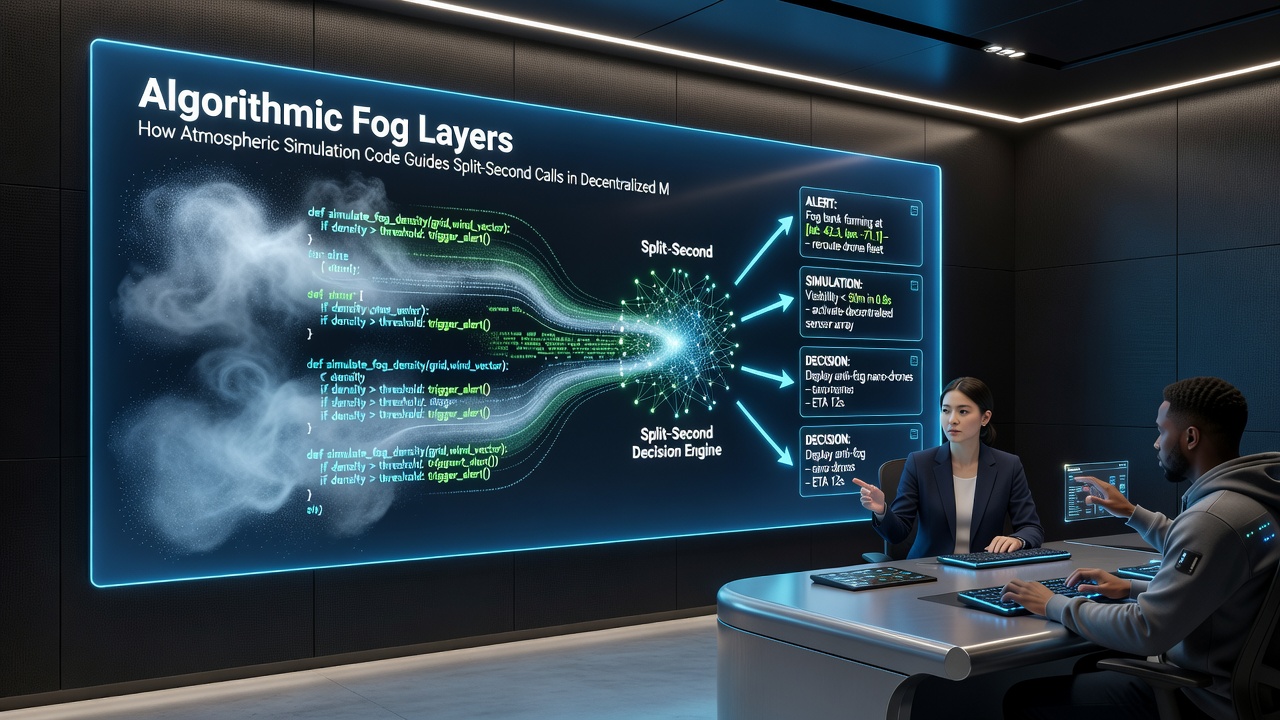
Split-second calls in these environments depend on standardized phrases that encode fog-adjusted coordinates and threat assessments. When a fog layer thickens beyond a threshold value, the code triggers automatic notation in the shared overlay, prompting designated callers to issue revised positioning instructions within a two-second window. Data collected during the 2026 Asia-Pacific qualifiers shows that teams using algorithmic fog triggers recorded a 22 percent improvement in objective capture times compared with groups relying on static visibility assumptions.
Case Examples from Recent Deployments
One documented squad in the European circuit maintained a rotating caller system where each member monitored a specific fog quadrant and relayed density changes through abbreviated codes. The simulation engine supplied color-coded alerts that aligned with their protocol, enabling rapid handoffs when one player encountered a sudden occlusion spike. Another group operating in North American events incorporated device-specific calibration data so that fog calculations accounted for individual screen brightness settings and refresh rates, minimizing discrepancies in perceived environmental conditions across the team.
Network and Hardware Considerations
Mobile devices participating in these matches must sustain consistent uplink speeds above 12 megabits per second to keep fog layer updates synchronized. When bandwidth drops occur, the simulation code falls back to interpolated values derived from prior frames, which can introduce brief mismatches between actual and rendered conditions. Industry reports from the Entertainment Software Association highlight that hardware with dedicated neural processing units handle these fallback calculations with lower latency, giving squads using such devices a measurable edge in maintaining coherent call timing.
Decentralized setups also require robust conflict resolution algorithms because multiple nodes may generate slightly divergent fog states during periods of packet loss. Developers address this through majority-vote reconciliation that prioritizes the most recent timestamped data from the largest subset of devices. Squads that train with simulated packet-loss scenarios demonstrate improved resilience, as members learn to issue calls that remain valid even when partial environmental information reaches only some teammates.
Training Methodologies and Protocol Refinement
Coaching staffs incorporate fog layer replays into review sessions so players can study how specific density patterns correlate with successful or failed engagements. These sessions focus on timing rather than visual identification, teaching participants to issue calls based on algorithmic thresholds instead of personal observation. Metrics tracked across multiple 2026 events reveal that squads allocating at least 30 percent of practice time to fog-adjusted drills maintain higher win rates in late-round scenarios where visibility constraints intensify.
Protocol libraries continue to evolve as new simulation parameters are introduced, and teams maintain version-controlled documents that map each algorithmic variable to corresponding verbal shorthand. This practice reduces ambiguity when fog behavior deviates from established patterns, allowing decentralized groups to adapt without centralized oversight.
Conclusion
Algorithmic fog layers have shifted from decorative environmental effects to functional decision-support tools within decentralized mobile esports. Their integration with real-time call systems demonstrates how atmospheric simulation code can structure team coordination across distributed networks, and ongoing refinements in July 2026 indicate continued development in this area. Squads that align their protocols with these simulation outputs gain structured advantages in visibility-limited conditions, while hardware and network optimizations further support consistent performance across varied device configurations.