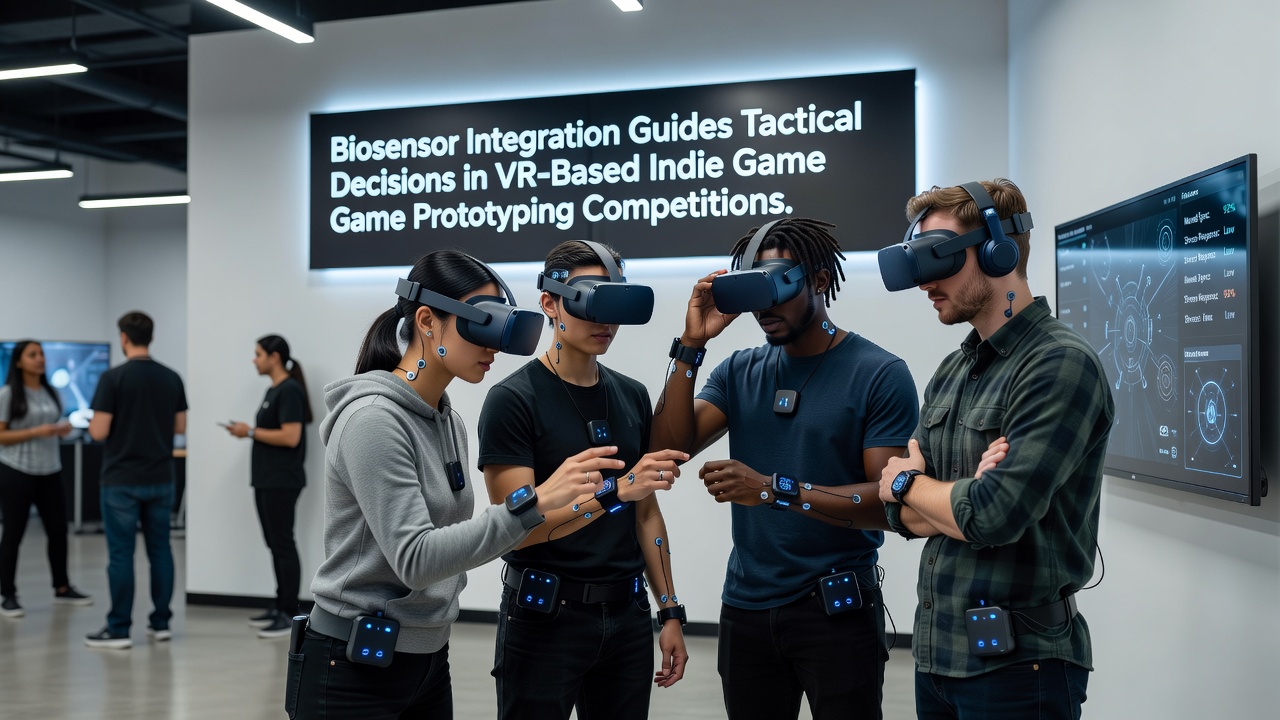
Biosensor Data Streams Steer Real-Time Choices in VR Indie Prototyping Events
Teams competing in VR-based indie game prototyping competitions now rely on biosensor feeds to adjust their approaches mid-session, and the integration of heart rate monitors, electrodermal activity sensors, and EEG headbands provides continuous physiological data that influences when groups accelerate development sprints or shift focus to different mechanics. These systems track stress indicators and attention levels while participants build and test prototypes inside shared virtual environments, allowing coordinators to observe patterns that correlate with performance dips or breakthroughs.
Core Components of Biosensor Integration
Modern VR headsets incorporate optical heart rate sensors alongside galvanic skin response electrodes that capture subtle changes in skin conductivity during intense prototyping phases, and EEG arrays positioned along the scalp deliver frequency band readings that indicate cognitive load. Developers connect these streams to dashboard interfaces visible to team leads, who then issue directives based on whether collective arousal levels rise above baseline thresholds or dip into fatigue zones. Research from institutions such as the University of Waterloo shows that teams using these metrics maintain steadier output across multi-hour sessions compared with groups relying solely on self-reported status updates.
Hardware manufacturers have standardized data protocols that allow seamless transmission from the headset to external analytics platforms, and this compatibility means smaller indie collectives can adopt the same tools employed at larger tournaments without custom engineering. In practice, a sudden spike in average heart rate across multiple members often signals an impending coordination breakdown, prompting leads to call brief pauses or redistribute tasks before errors compound in the prototype code.
Competition Structures That Incorporate Biometric Feedback
Events scheduled throughout 2025 and into September 2026 format rounds around timed prototyping windows where biosensor overlays appear on judge screens alongside the virtual builds themselves, and scoring rubrics now allocate points for tactical adjustments documented through physiological data logs. Organizers require participants to wear calibrated sensor arrays during all active phases, creating datasets that reveal how individual stress responses affect group decision velocity on features such as physics interactions or narrative branching.
One documented case from a North American regional qualifier involved a four-person team whose EEG coherence metrics dropped sharply after ninety minutes of continuous iteration; the lead responded by rotating members to a support role and introducing a short breathing protocol, after which coherence readings recovered and the final prototype incorporated an additional interaction layer that judges later highlighted. Similar patterns appear in European circuits where coordinators cross-reference biosensor timelines with commit logs to identify which tactical pivots produced measurable stability gains.
Data Utilization Patterns Across Teams
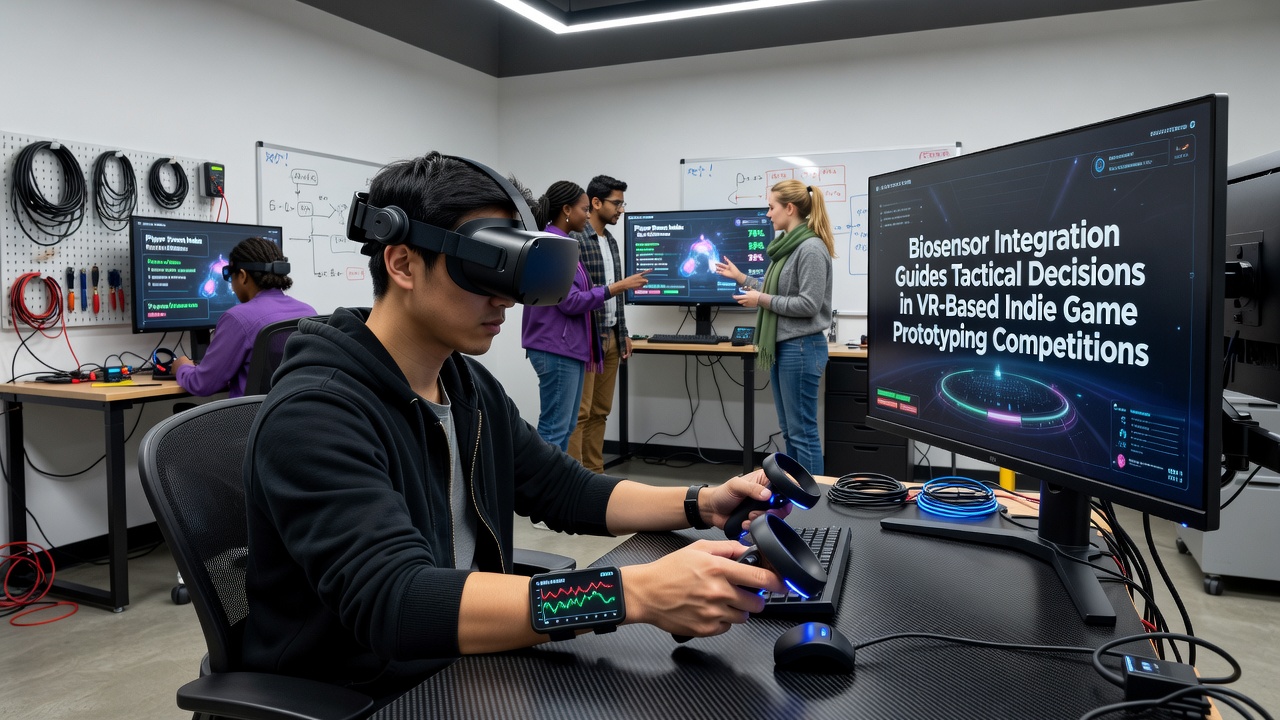
Analysts reviewing aggregated logs from multiple events note that teams achieving top placements adjust their pacing when average electrodermal activity exceeds set parameters for more than two consecutive minutes, and this response typically involves delegating high-focus coding tasks to members whose current readings remain within optimal ranges. The approach reduces cumulative error rates because fatigued individuals receive lighter assignments until readings normalize. Industry reports from the Entertainment Software Association indicate rising adoption of these monitoring suites among independent developers preparing for international showcases.
Training regimens ahead of September 2026 gatherings now include calibration drills that familiarize participants with their personal biosensor signatures, allowing quicker recognition of when a teammate’s elevated heart rate signals the need for verbal check-ins rather than continued silence. These preparatory sessions also generate baseline profiles that competition software uses to flag statistically significant deviations in real time.
Technical and Regulatory Considerations
Privacy frameworks governing biosensor data require explicit consent forms and anonymized storage after each event, and governing bodies such as the Australian Competition and Consumer Commission have issued guidelines that address how organizers may retain physiological records for post-event analysis without exposing individual identities. Compliance teams integrate encryption layers that protect streams during transmission, while open-source toolkits allow smaller collectives to implement compliant logging without licensing fees.
Hardware calibration standards continue to evolve through collaborative working groups that include sensor manufacturers and university labs, and these efforts focus on minimizing drift across extended sessions so that tactical decisions remain grounded in accurate readings rather than artifact noise. Data from the National Science Foundation-funded studies on wearable performance tracking further supports the reliability of multi-modal biosensor fusion when proper filtering algorithms are applied.
Conclusion
Biosensor integration has become a standard element in VR indie game prototyping competitions because the physiological signals supply actionable context that complements traditional performance metrics. Teams that monitor and respond to these streams demonstrate consistent advantages in maintaining output quality across extended rounds, and the continued refinement of sensor accuracy alongside clearer regulatory pathways positions the practice for broader uptake at upcoming events. Observers tracking September 2026 calendars report expanded inclusion of biometric dashboards in both regional qualifiers and flagship tournaments, reflecting the growing role of real-time physiological data in shaping competitive outcomes.