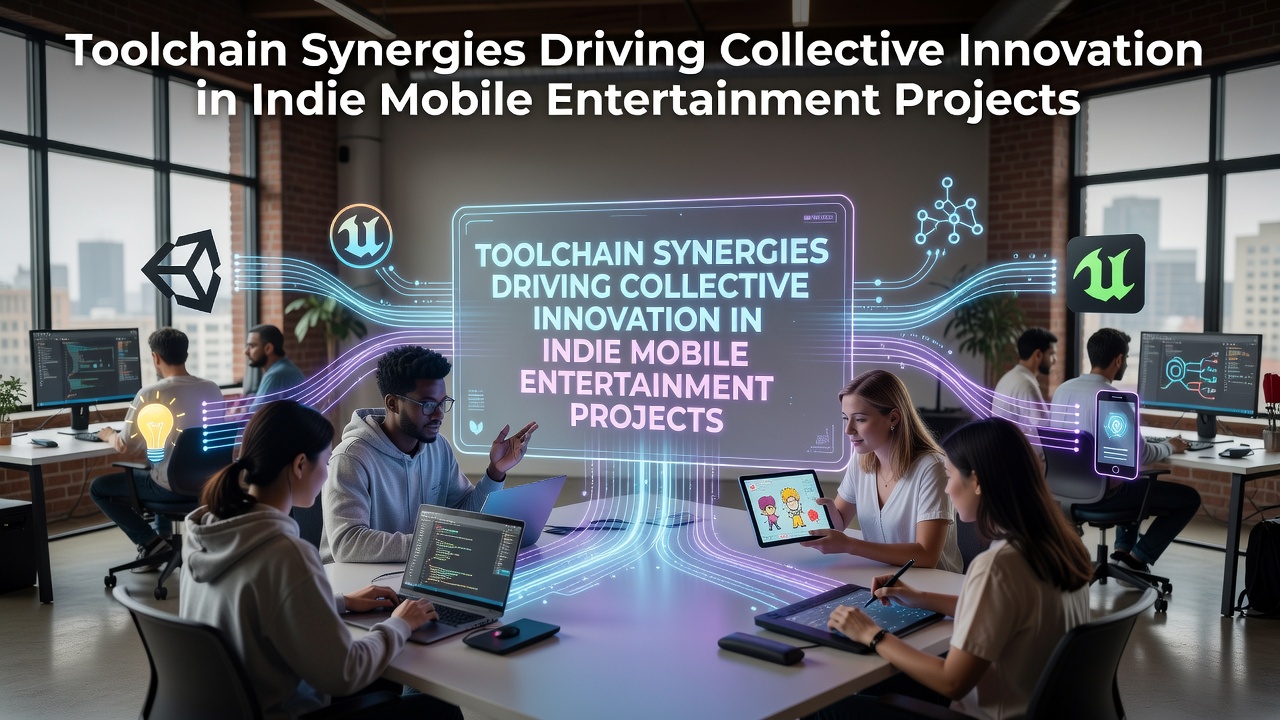
Collaborative Tool Ecosystems Advancing Independent Mobile Entertainment Development
Toolchain synergies emerge when development platforms, scripting environments, asset pipelines, and collaboration suites connect seamlessly, allowing indie teams to share code modules, synchronize asset updates, and iterate on mobile entertainment projects without constant file handoffs. Research from academic institutions shows that these integrated systems reduce production cycles in small-scale mobile game studios by aligning version control with real-time testing frameworks, particularly as teams prepare for major showcases scheduled in August 2026.
Core Components of Modern Mobile Toolchains
Indie creators often combine cross-platform engines with custom scripting layers and cloud-based build services, where data flows directly from code editors into device emulators while maintaining consistent asset libraries across distributed team members. Observers note that this arrangement supports rapid prototyping of interactive entertainment features such as gesture-based controls and adaptive difficulty systems, since updates propagate through shared repositories rather than isolated workstations. Figures from industry reports indicate that studios utilizing these linked environments complete feature integration phases up to 30 percent faster than groups relying on fragmented toolsets.
Integration Patterns Across Distributed Teams
Developers coordinate shader optimizations, physics simulations, and user interface elements through unified pipelines that feed directly into automated testing suites for various mobile operating systems, and this setup proves especially valuable when multiple contributors work on overlapping modules simultaneously. Data shows that such patterns enable collective problem-solving sessions where one programmer's adjustment to a rendering module automatically triggers compatibility checks across audio and networking components, minimizing downstream conflicts. Teams in regions including the European Union have documented these workflows in technical papers that highlight measurable gains in project coherence during extended development sprints.
Asset management tools now interface directly with analytics platforms, feeding player behavior metrics back into design documents without manual exports, while version histories track every change across art, code, and sound files. Researchers at institutions in Australia have tracked how these connections foster iterative refinements in narrative-driven mobile experiences, since feedback loops operate continuously rather than at discrete milestones.
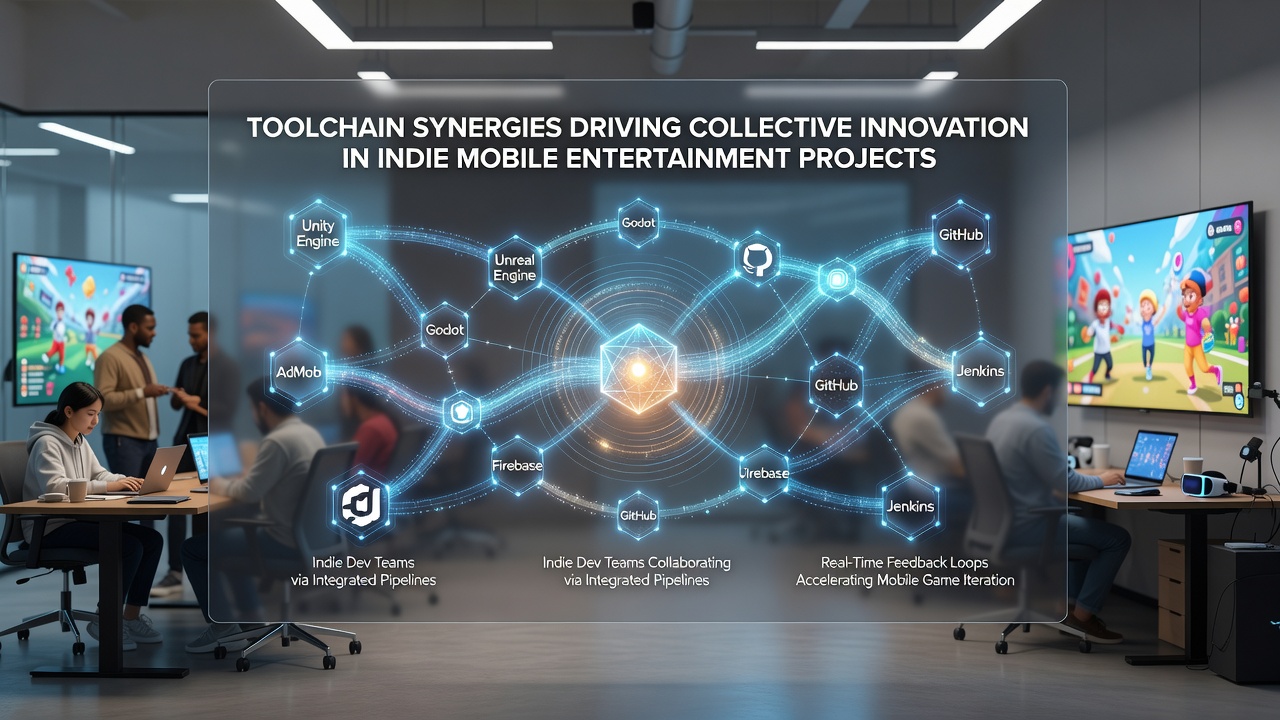
Collective Innovation Through Shared Pipelines
Indie collectives leverage open interfaces between popular mobile frameworks and specialized plugins to co-develop reusable components such as procedural level generators or cross-device input handlers, and these shared resources circulate through community repositories that accelerate subsequent projects. Evidence from multiple case studies reveals that when one studio refines a networking library for low-latency multiplayer sessions, the improvements integrate into other teams' builds within days rather than weeks, creating compounding effects across the broader ecosystem. Government innovation programs in Canada have supported documentation of these exchanges, noting increased output among participating groups during 2025 and early 2026 periods.
Build automation services connect with cloud rendering farms, allowing teams to preview high-fidelity mobile visuals without local hardware constraints, and this linkage supports simultaneous work on visual effects and performance tuning. What's interesting is how these connections reduce bottlenecks that previously forced sequential workflows, enabling parallel contributions from artists, designers, and engineers who operate from separate locations. Studies conducted by research consortia indicate that projects employing such synchronized environments report higher rates of feature completion ahead of internal deadlines.
Emerging Patterns in August 2026 Development Cycles
Preparations for August 2026 mobile entertainment launches have highlighted toolchain expansions that incorporate machine-learning assisted debugging alongside traditional profiling tools, where anomaly detection scripts flag potential issues in real time across distributed codebases. Those who've studied these setups observe that indie groups now route crash reports and performance logs through centralized dashboards that automatically suggest optimizations drawn from prior project archives, shortening resolution times for platform-specific quirks. Industry associations tracking these trends report that adoption rates climbed steadily through the first half of the year as more collectives standardized on interoperable plugin architectures.
Security layers within these ecosystems scan for vulnerabilities during each integration step, protecting intellectual property while still permitting controlled sharing of non-sensitive modules among trusted collaborators. This balance supports collective advancement without exposing proprietary mechanics, and external analyses confirm that studios maintaining such safeguards experience fewer project delays stemming from compliance reviews.
Conclusion
Toolchain synergies continue to reshape how independent developers approach mobile entertainment projects by linking disparate tools into cohesive systems that emphasize shared progress over isolated efforts. Data from varied geographic sources demonstrates consistent patterns of accelerated iteration and resource reuse across multiple studio networks, positioning these integrated approaches as standard practice heading into future release windows.