Screen Evolution: Impacts of Display Tech on Mobile Game Tactics and Collaborative Coding Competitions
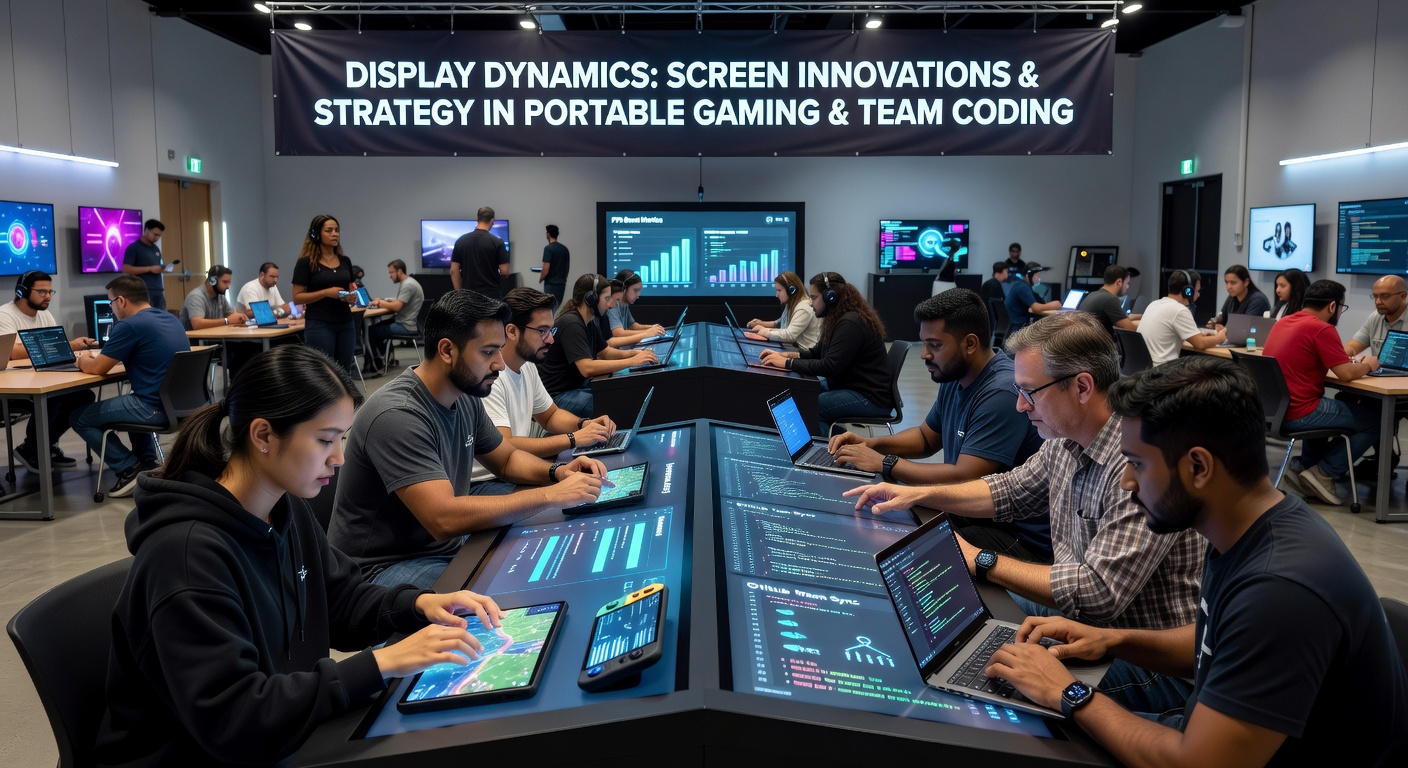
Portable displays continue to advance through innovations in resolution, refresh rates, and form factors that directly shape how competitors approach mobile gaming and team-based coding events. Higher pixel densities combined with adaptive refresh technologies allow players to maintain visual clarity during rapid movements, while teams in coding competitions use these same features to monitor multiple data streams on single devices without sacrificing readability. Research from the IEEE indicates that micro-LED panels now deliver brightness levels exceeding 2000 nits in compact formats, enabling outdoor events where ambient light previously disrupted performance. These panels also reduce power draw by up to 30 percent compared with earlier OLED generations, extending session times during extended tournaments. Participants adjust positioning strategies around brighter, more efficient screens that remain visible from wider angles, reducing the need for clustered viewing setups. Foldable and rollable screen designs introduce additional variables into both gaming and coding environments. A device that expands from smartphone to tablet dimensions permits seamless switching between solo navigation and shared interface review, which proves useful in team coding drills where one member codes while others inspect real-time outputs. Data from the Consumer Technology Association shows foldable shipments reached 28 million units globally in 2025, with projections pointing to continued growth through mid-2026 as hinge durability improves. Variable refresh rate systems, ranging from 1 Hz to 144 Hz, further influence tactical decisions. In portable gaming, competitors switch between power-saving modes during exploration phases and high-refresh modes for combat sequences, conserving battery while preserving responsiveness. Coding teams apply similar logic by lowering refresh rates during long compilation waits, then ramping them up when debugging live outputs that require precise cursor tracking. Events scheduled for June 2026 incorporate these display capabilities into their formats, including multi-device synchronization protocols that align screen timings across team members. Such protocols prevent desync issues when one participant streams code changes to others via wireless casting, a feature supported by newer display controllers that handle low-latency mirroring without additional hardware. Color accuracy standards have tightened as well, with DCI-P3 coverage reaching 99 percent on flagship portable panels. This precision matters during coding events where syntax highlighting and error markers must remain distinguishable under varying lighting conditions. Observers note that teams now calibrate devices pre-event using built-in tools, ensuring consistent visual output across different hardware models. Battery efficiency gains from tandem OLED stacks allow longer continuous operation, which matters in marathon coding sessions that stretch past eight hours. Participants report fewer interruptions for charging, shifting focus toward sustained collaboration rather than power management logistics. Industry reports from the Japan Electronics and Information Technology Industries Association highlight efficiency improvements that stem from refined pixel circuitry rather than software alone. High dynamic range support on portable screens enhances depth perception in gaming titles that rely on layered environments, prompting players to adopt positioning tactics that exploit shadow and highlight details previously lost on standard panels. In parallel, coding teams leverage HDR for reviewing 3D visualizations or simulation outputs embedded within their projects, gaining clearer differentiation between interface elements. Wireless display protocols continue evolving alongside hardware, with Wi-Fi 7 enabling uncompressed 4K streaming at 120 Hz between team devices. This removes cable constraints during mobile events, allowing freer movement while maintaining shared visibility of game states or code repositories. Such connectivity reduces setup times between rounds, increasing overall event throughput.Hardware Integration Patterns
Device manufacturers integrate these display advances directly into competition hardware kits supplied at major gatherings. Standardized panels across entrants minimize hardware-based advantages, focusing strategy on software optimization and team coordination instead. Yet variations in panel response times still require players to adapt aiming sensitivities or code rendering preferences accordingly.
Strategic Adjustments in Practice
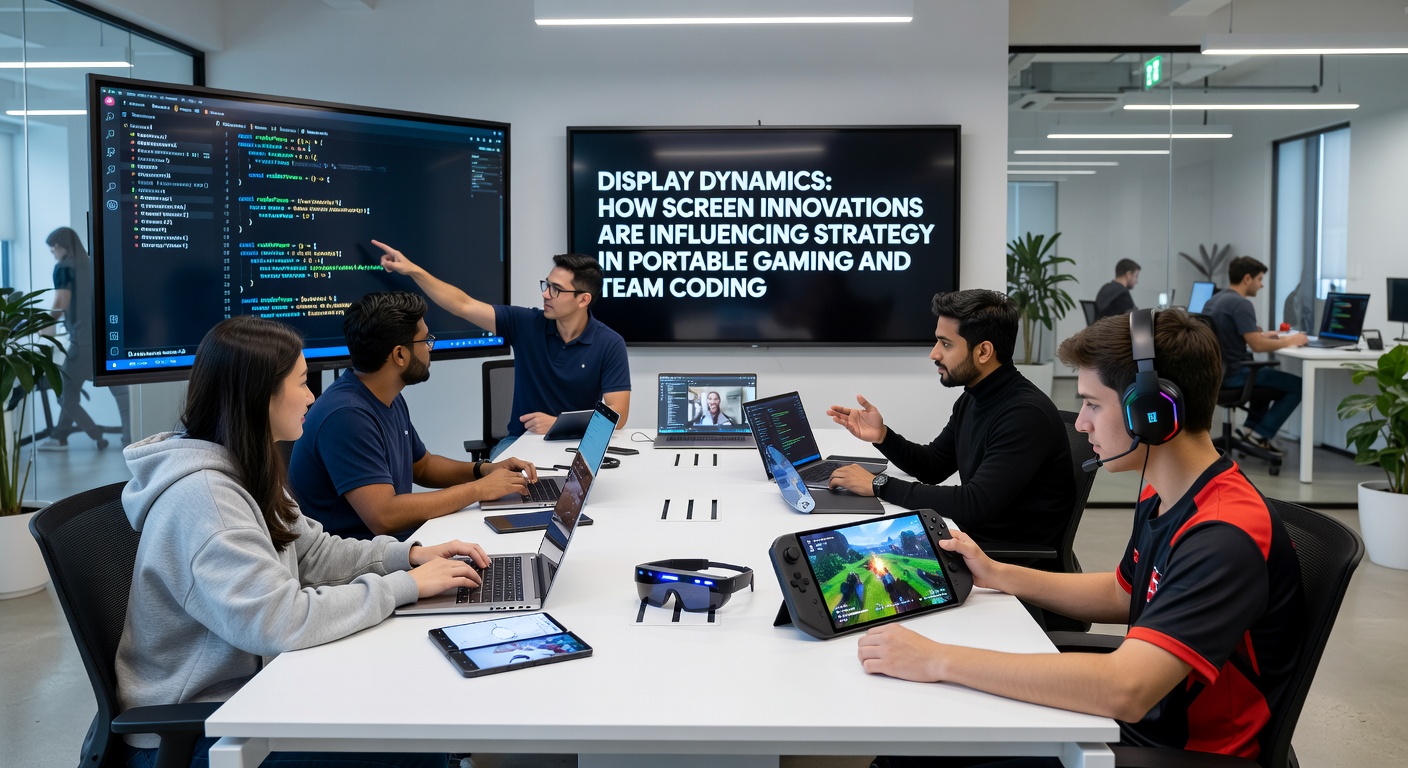
Teams develop pre-event calibration routines that account for specific display characteristics, including gamma adjustments for different ambient conditions. Gaming squads test visibility thresholds at various angles to determine optimal seating arrangements around shared viewing areas. Coding groups map out which tasks benefit most from expanded screen real estate versus compact single-panel views, rotating device orientations fluidly during live challenges.
Thermal management tied to brighter displays influences placement decisions as well, since sustained high brightness can raise device temperatures and trigger throttling. Participants position units with adequate ventilation or schedule high-intensity display segments around cooling breaks to maintain consistent frame delivery and processing speeds.
Conclusion
Display innovations continue to integrate into the operational frameworks of portable gaming and team coding events through measurable improvements in visibility, efficiency, and flexibility. These changes prompt ongoing recalibration of tactics around hardware capabilities rather than replacing core skills in reaction timing or code logic. As panel technologies progress toward even higher efficiencies and form factor versatility by 2026, event organizers and participants alike incorporate these factors into planning from the outset.